Entry · Ref GJYW5TPH
Why a Radon Assessment Home Test Should Be Your First Step Before Mitigation
- Posted
- 2026-10-10
- Last amended
- 2026-10-10
- Account
- @theradonassessmenthomespark
Understanding the Risk Before You Fix It
Radon is a naturally occurring radioactive gas that comes from the decay of uranium in soil and rock. It moves up through the ground and into buildings through cracks and other openings in the foundation. The EPA estimates that radon causes more than 20,000 lung cancer deaths each year in the United States, making it a serious public health concern. But here is the thing: you cannot see it, smell it, or taste it. The only way to know if your home has a problem is to test for it. That is where a radon assessment home test becomes the essential first step.
Many homeowners in St. Louis assume that because their neighbor tested low, they are safe. That assumption can be dangerous. Radon levels vary dramatically from one house to the next, even on the same street. Soil composition, foundation type, and even the way the house was built all influence how much soil gas enters the living space. A proper radon assessment home test accounts for these variables and gives you a reliable baseline.
What a Radon Assessment Actually Covers
A thorough radon assessment is more than just placing a radon detector in the basement for a few days. A professional evaluation includes inspecting potential radon entry points, evaluating the condition of the foundation, and considering factors like sump pump openings, crawl spaces, and slab cracks. The goal is to understand where the gas is coming from and how it is getting in. This information is critical for designing an effective radon mitigation system later on.
During an assessment, the technician may also note whether the home has a passive radon resistant new construction system already in place, especially in newer builds. Many modern homes in St. Louis are built with a basic sub-slab depressurization system, but those systems often rely on natural stack effect and may not be active enough to reduce radon to safe levels. A follow-up radon test after installation of an active soil depressurization system can confirm whether the fix is working.
Short-Term vs. Long-Term Testing
There are two main types of radon testing: short-term and long-term. Short-term tests last between two and seven days and give you a quick snapshot. They are useful if you are in the middle of a real estate transaction or need immediate answers. Long-term tests run for more than 90 days and provide a more accurate picture of your average exposure because radon levels fluctuate with weather, seasons, and how you use your home.
For a radon assessment home, most professionals recommend starting with a short-term test. If the result comes back at or above 4 picocuries per liter (pCi/L), the EPA action level, then you should follow up with a long-term test or proceed directly to mitigation. Some homeowners choose to use a continuous radon monitor, which gives real-time readings and can show daily variations. These devices are especially helpful for people who want to track changes after sealing cracks or installing a radon fan.
Why St. Louis Homes Are at Risk
St. Louis sits in a region with moderate to high radon potential, according to the EPA's Zone Map. The area's geology includes limestone and shale formations that produce radon as they decay. Combined with older housing stock that often has unsealed basements and crawl spaces, the risk is real. I have personally seen homes in the same subdivision where one house tested at 2 pCi/L and the neighbor tested at 25 pCi/L. Without testing, you simply cannot know.
Air Sense Environmental, a local resource for radon mitigation services in St. Louis, sees this variability all the time. They emphasize that a radon assessment home test is not a one-size-fits-all process. Each home has a unique set of entry points, soil conditions, and structural characteristics. That is why their approach starts with a careful inspection before any equipment is installed.
What Happens After the Assessment
Once you have your test results, the next step depends on the numbers. If the level is below 2 pCi/L, you may only need to monitor it periodically. Between 2 and 4 pCi/L, you should consider sealing visible cracks and improving ventilation. At or above 4 pCi/L, the EPA recommends taking action to reduce radon. This is where a radon mitigation system comes into play.
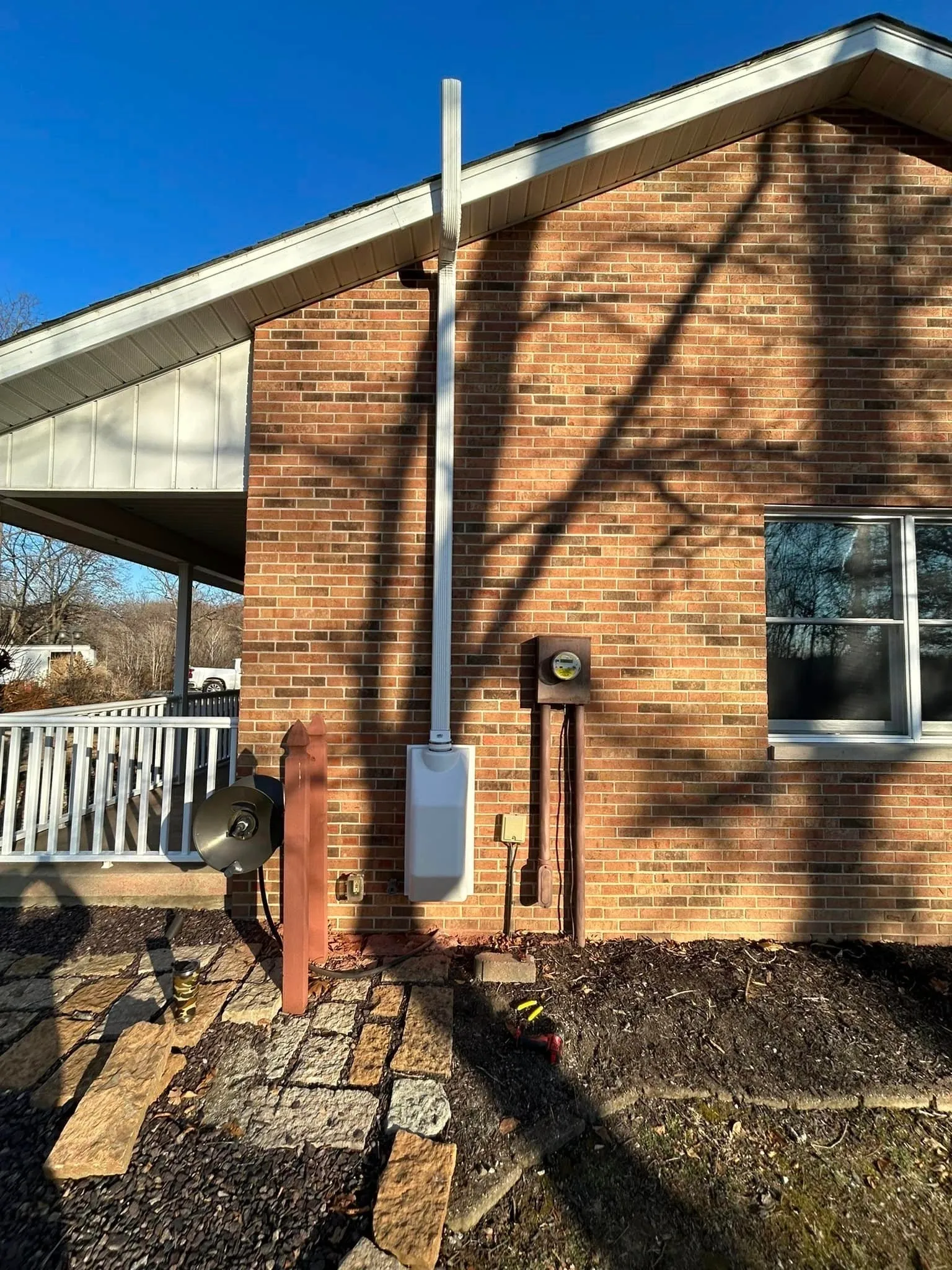
The most common method in St. Louis is active soil depressurization, also known as sub-slab depressurization. This involves drilling a small hole through the basement floor, creating a cavity under the slab, and installing a pipe that runs up through the house to a radon fan on the exterior. The fan creates negative pressure under the foundation, pulling soil gas away from the home and venting it safely outside. A manometer is installed on the pipe to show that the system is working properly.
Post-Mitigation Verification
Installing a system is not the end of the story. You need a post-mitigation radon test to confirm the system is reducing radon levels to an acceptable range. This test should be done at least 24 hours after the system is activated, and ideally during the same season as the initial test so conditions are comparable. A follow-up radon test also helps identify any issues with the system, such as a radon fan that is not pulling enough suction or a manometer that shows a drop in pressure.
Some homeowners wonder if they can handle radon reduction themselves by simply sealing cracks and painting the basement floor. While radon sealing can help reduce entry through specific openings, it is rarely enough on its own. Radon can enter through porous concrete and tiny gaps that are invisible to the eye. A professionally designed system with an active soil depressurization setup is almost always more effective.
Considering Radon in Water
If your home uses a private well for drinking water, radon in water can also contribute to your overall exposure. When water is agitated through showering, washing dishes, or flushing toilets, radon gas is released into the air. A standard radon assessment home test measures airborne radon only, so if you have a well, you may want to test your water separately. Treatment options include aeration systems or granular activated carbon filters installed at the point of entry.
Most city water supplies in St. Louis come from surface water sources like the Missouri River, which generally have very low radon levels. But for homes outside the municipal system, radon in water is a real concern that should not be ignored.
Making the Decision to Test
If you are buying a home, selling one, or just want to know what you are breathing, a radon assessment is a small investment for peace of mind. The test itself is affordable, and the information it provides can guide you toward the right solution. Whether you hire a professional or use a certified radon detector from a hardware store, the key is to actually do it. I have talked to too many homeowners who put it off for years, only to find out their basement had levels well above 10 pCi/L.
Remember that radon levels can change over time. Foundation settling, new cracks, or changes in the water table can all affect how much soil gas enters your home. A one-time test is a good start, but periodic retesting every two to five years is a wise habit. If you have made structural changes or installed a mitigation system, a follow-up radon test is essential to verify the fix.
Final Thoughts
Radon is a serious hazard, but it is also a fixable one. The first step is always the same: get a radon assessment home test done. It tells you where you stand and what you need to do next. From there, options like active soil depressurization, radon sealing, and continuous monitoring can bring your home's levels down to a safe range. Companies like Air Sense Environmental in St. Louis specialize in this exact process, from testing through system installation and verification. But regardless of who does the work, the starting point is always knowledge. Test first, then act.